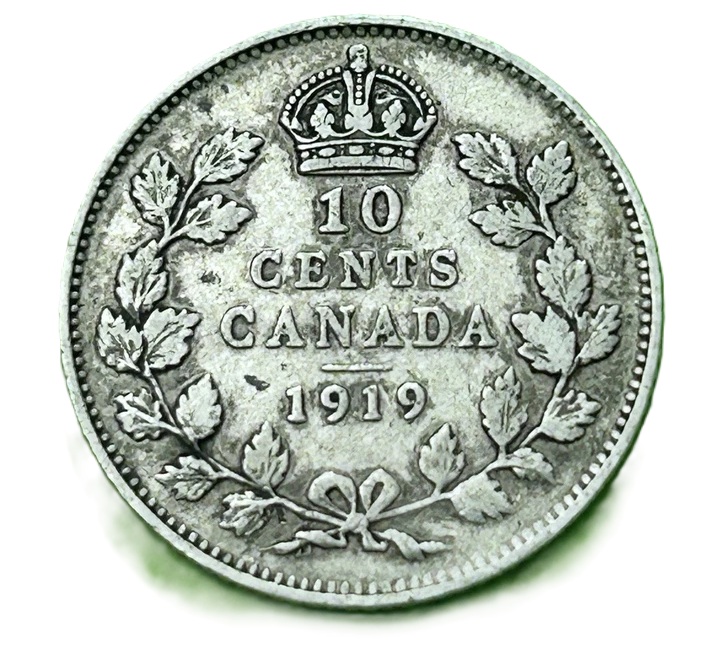
Money used to have value. Dollars and coins were fixed to gold and silver. This posed a problem for our Oligarchy. They couldn’t just run the printing presses and generated more money for themselves. They needed precious metals to do so. So, they detached currency from the gold/silver standard and printed as much money as they wanted.
In 1964 before the debasement the average Canadian wage was $94. If this was taken in silver quarters.
- You’d have 94 dollars*4 quarters per dollar=376 silver coins.
- Now in today’s market each coin (80% silver) is about 15 dollars.
- So 15 *376=$5640 in todays money per week or $293280 per year.
Does the average person make this amount of money per year? No. The currency has been devalued. We are given cheap coins and paper of no value for our efforts. Inflation is running rampant. Multiple families are living in a single house. The cost of food and clothing is increasing and the quality of manufactured products is dropping, shrinkflation is a reality.
How do we turn this around? Well, Queen Elizabeth the first did it.
Old Coppernose and the Great Debasement
Cause of Debasement: To fund extravagant spending and costly wars with France and Scotland, Henry VIII initiated the “Great Debasement” in 1544 to increase royal revenue without raising taxes. This involved secretly reducing the amount of precious metal in gold and silver coins and replacing it with cheaper copper.
The Nickname’s Origin: The most famous of the new coins was the silver testoon (shilling), which had a thin wash of silver over a base metal core. The king’s large, protruding nose in his portrait on the coin was the first area to have its silver worn away through normal circulation, exposing the reddish copper beneath and earning him the mocking nickname “Old Coppernose”.
Economic Impact: The debasement, which continued under Edward VI, caused widespread inflation and a severe lack of confidence in English currency both at home and abroad. Good quality coins were hoarded (an example of Gresham’s Law), while the debased legal tender was used for transactions, disrupting trade and leading to economic instability.
How the Debasement Was Repaired
The currency crisis was not solved until Queen Elizabeth I took the throne in 1558. In concert with her trusted advisors, William Cecil and Thomas Gresham, she enacted a comprehensive plan in 1560 to restore the integrity of the coinage.
The repair process involved several key steps:
- Ending Legal Tender Status: All debased coins were officially stripped of their status as legal tender.
- Withdrawal and Melting: The government withdrew all the “bad” coins from circulation. These coins were then melted down.
- Reminting with High Fineness: The retrieved metal was used to mint new coins of a previously high standard (sterling silver, which is 92.5% pure silver).
- Introducing Milled Coinage: In 1561, a French moneyer introduced machinery to produce milled coinage, which was more uniform and harder to clip or tamper with than the older hammered coins.
This “Great Recoinage” was a success, stabilizing the economy, restoring trust in the monarchy’s finances and England’s currency, and expanding foreign trade relations.
Real metals, have real value and preserve buying power for the country and for the worker.